Dark Chocolate and Health: What Does the Research Say?
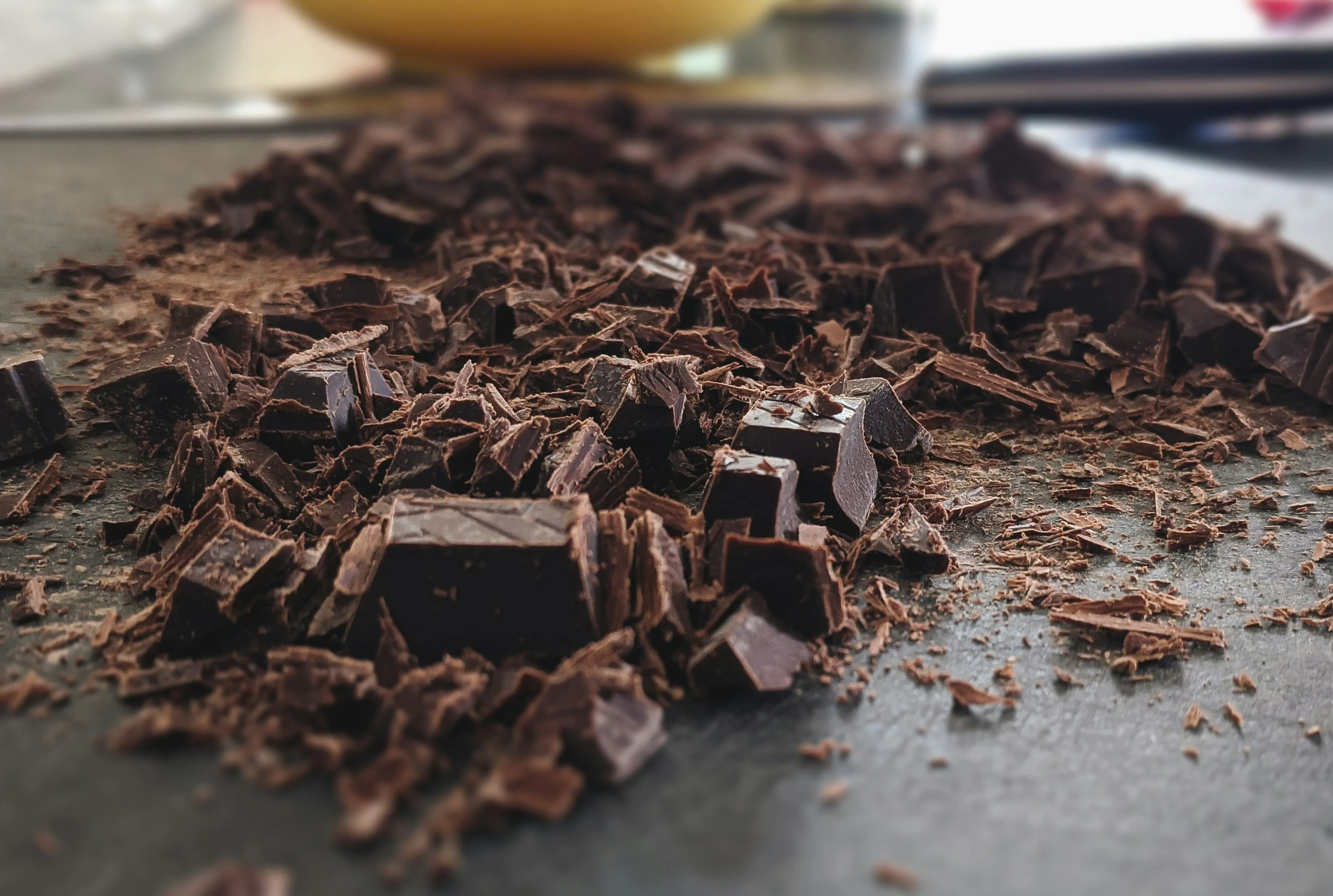
I eat quality dark chocolate (70% to 85%) every day. Usually about 20-30g, which works out to 3-4 squares. I’ve read many times that dark chocolate has plenty of benefits, but honestly that’s not the main reason I eat it. I just like the taste. Even so, I wanted to see what the research actually says, so I put this article together.
I link to a specific study for every claim so you can check it yourself. Keep in mind this article is about one food. Dark chocolate isn’t a miracle. If someone eats badly, doesn’t sleep, and doesn’t move, a few squares of chocolate won’t save them.
Benefits of dark chocolate
- Small drop in blood pressure - dark chocolate can lower blood pressure a bit. The effect is small and it’s no substitute for medication, but as part of a healthy diet it can make sense. More in the section on the heart and blood vessels.
- Lower risk of stroke and heart attack - people who regularly eat dark chocolate have, on average, a slightly lower risk of stroke and heart problems. This doesn’t mean chocolate protects the heart on its own, but the result shows up across several studies. More in the section on the heart and blood vessels.
- Better sugar handling - after dark chocolate, the body handles sugar from food better. This mainly helps people who already have trouble with it. More in the section on insulin.
- Better mood - people who eat dark chocolate tend to feel better more often. It’s not entirely clear whether the chocolate causes it, or whether people who feel fine simply reach for chocolate more often. More in the section on mood.
- Healthier gut - cocoa supports the growth of beneficial bacteria in the gut. A healthy gut is linked to better digestion, immunity, and mood. More in the section on the microbiome.
Practical recommendations
- How much? 20-30g per day (3-4 squares). This range matches the doses used in studies and doesn’t pile on calories (around 110-180 kcal).
- What cocoa percentage? At least 70%, ideally 85%. Higher percentage means more flavanols and less sugar. The Shin et al. study showed that 85% had an effect on the gut microbiome, while 70% did not.
- When to eat it? In the morning or early afternoon. Theobromine (a stimulant in chocolate) has a half-life of 6-10 hours, so eating it in the evening can mess with sleep.
- What to look for on the label? A short ingredient list, cocoa listed first, minimal added sugar, no vegetable fats.
- What it isn’t? Medicine. Dark chocolate doesn’t replace medication, exercise, or sleep. It’s a food with proven benefits that’s worth including in a balanced diet.
Cardiovascular health
A 2017 Cochrane review summarized 35 controlled studies on blood pressure. Cocoa flavanols (antioxidant compounds in cocoa) did lower blood pressure a little - about 2 mmHg on average across the whole sample. In people with high blood pressure the effect was stronger, roughly 4 mmHg. In people with normal blood pressure, no meaningful effect was found.
For a sense of scale: the difference between normal and high blood pressure is roughly 20 mmHg. You can get a similar effect by eating less salt or losing a few kilos. It doesn’t replace medication, but as a small plus it counts. (Ried et al., 2017)
A large analysis of more than 500,000 people reached a similar conclusion: regular chocolate eaters had a 16% lower risk of stroke and a 10% lower risk of ischemic heart disease (narrowing of the arteries that supply the heart, which can lead to a heart attack). These studies can’t prove cause and effect, though. It could just be that people who eat dark chocolate have a healthier lifestyle overall. (Yuan et al., 2017)
Insulin sensitivity
A 2016 meta-analysis of 19 randomized studies looked at how dark chocolate (and cocoa in general) affects sugar processing. The individual measures came from 10-11 studies: insulin sensitivity improved, HOMA-IR (a marker of insulin resistance) dropped, and fasting insulin decreased. Fasting blood sugar didn’t change. (Lin et al., 2016)
What does that mean in practice? After a meal, the pancreas releases insulin. Insulin works like a key that opens cells so sugar from the blood can get in. If cells respond to insulin well, less of it is needed. If they respond poorly (insulin resistance), the pancreas has to produce more and more to achieve the same effect. According to this analysis, dark chocolate helps cells respond to insulin better. It doesn’t lower blood sugar directly, but the body handles it with less effort.
The strongest effect was in people who already had trouble with insulin (type 2 diabetics and people with insulin resistance). In healthy people without any issues, the difference was small.
Mood
In a study of 13,626 adults, people who ate dark chocolate were 70% less likely to report depressive symptoms. It’s a cross-sectional study, though, so you can’t pull cause and effect out of it. It could simply be that people who aren’t depressed are more likely to reach for dark chocolate. (Jackson et al., 2019)
Why might chocolate improve mood? There are a few reasonable explanations.
Theobromine is a mild stimulant naturally found in cocoa. It works similarly to caffeine, but gentler and longer-lasting. It improves blood flow to the brain, which can affect how we feel.
A smaller exploratory study on 26 people showed that dark chocolate high in polyphenols lowered cortisol levels. Cortisol is a stress hormone the body releases when it’s under pressure. The study was small and short (only 4 weeks), so the result isn’t bulletproof. (Tsang et al., 2019)
And then there’s the gut-brain axis. Gut bacteria communicate with the brain through nerve and hormonal pathways. Cocoa polyphenols can influence this communication by changing the composition of the gut microflora (more on that in the section on the microbiome).
An analysis of 9 studies confirmed short-term mood improvement after cocoa consumption: less depression, less anxiety, a better overall feeling. The authors note, though, that the results can’t be generalized to long-term consumption. (Fusar-Poli et al., 2021)
Gut microbiome
In a randomized study on 48 healthy adults, one group ate 30g of 85% dark chocolate each day for three weeks, another ate 30g of 70% chocolate, and the third ate milk chocolate. After three weeks, the 85% group had a more varied gut bacteria composition, with more of the beneficial genera. For 70% and milk chocolate, no effect showed up. (Shin et al., 2022)
Why 85% specifically? Probably because it has more cocoa polyphenols (plant compounds that feed beneficial bacteria) and less sugar. The study is small and short, though, so I wouldn’t draw any sweeping conclusions from it.
What to watch out for
So dark chocolate (ideally around 85%) can have real positive effects on health. But don’t get carried away. The main things are still movement, quality food, and sleep. Think of dark chocolate as a nice add-on to that, and a bit of a reward too (after all, we eat it because we enjoy it).
Conclusion
I eat dark chocolate every day, and after reading through these studies, I plan to keep doing so. The research points to small benefits for blood pressure, sugar handling, mood, and the gut. None of that is earth-shattering on its own, but taken together it makes sense to me as part of a diet I try to pay attention to. And most of all - I still enjoy it. That’s the most honest reason in the end.
More articles
How to Run 10K? A Beginner's Guide
10K is a great goal for every beginner runner. No generic training plan - just principles that work and that you can adapt to yourself.
How to Start Running?
Want to start running but not sure how? Tips for beginner runners, what to watch out for, and how to avoid the most common mistakes from the start.
Stay in the loop
Subscribe to get new articles delivered straight to your inbox.